







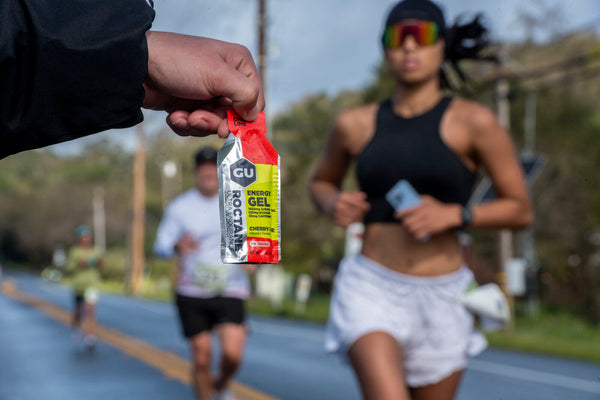











Caffeinated vs Non-Caffeinated Fuel: Building a Smarter Performance Strategy
Caffeine can sharpen focus and delay fatigue. Steady, stimulant-free fueling builds the foundation. Here is how to decide what your training and racing may require.
Approved by the GU Performance Nutrition Team
Caffeinated vs. Non-Caffeinated at a Glance
| Caffeinated | Non-Caffeinated |
|
|
What Caffeine Actually Does for Endurance Performance
Caffeine can help reduce perceived effort and improve alertness during long or demanding efforts. It does not replace carbohydrates and should be used strategically. Many athletes introduce caffeine later in races or during key workouts rather than using it in every serving.
When to Use Caffeinated Fuel
Caffeinated Fuel Across Formats
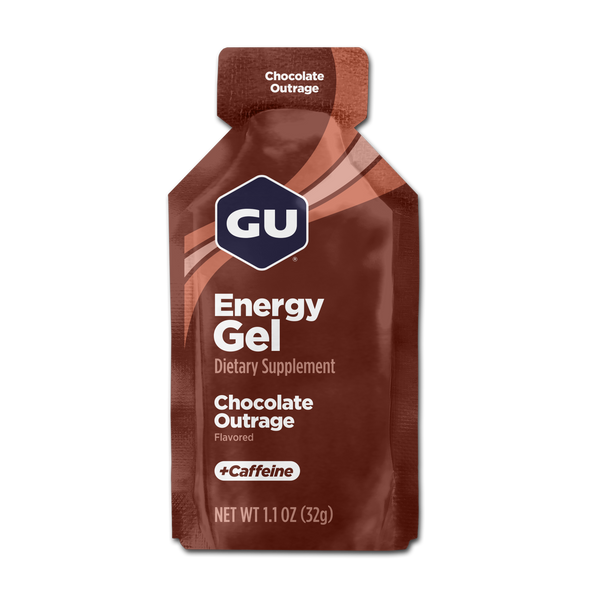
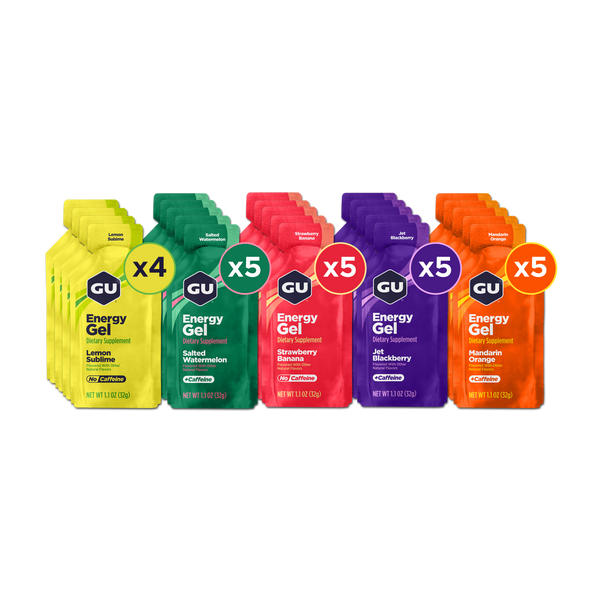
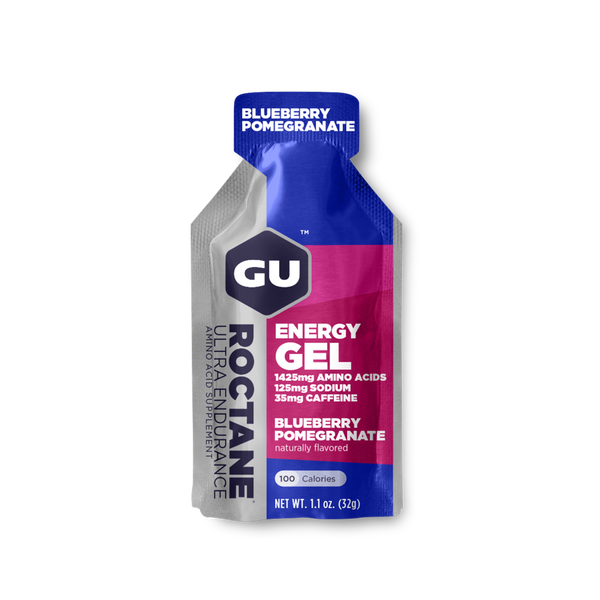
Caffeine is available in select flavors across multiple GU formats, including:
Check flavor details for caffeine content.
When to Choose Non-Caffeinated Fuel
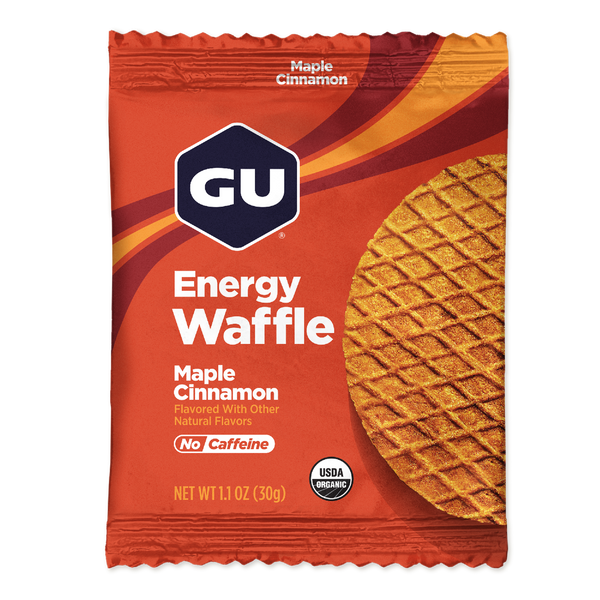
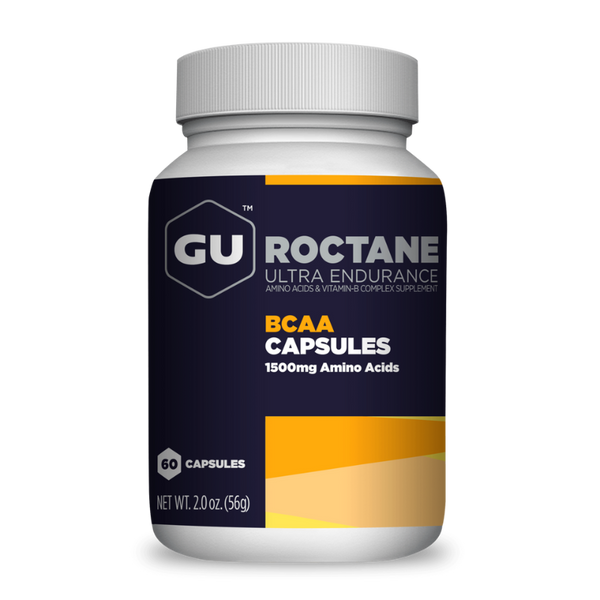
Non-Caffeinated Carb Fuel.
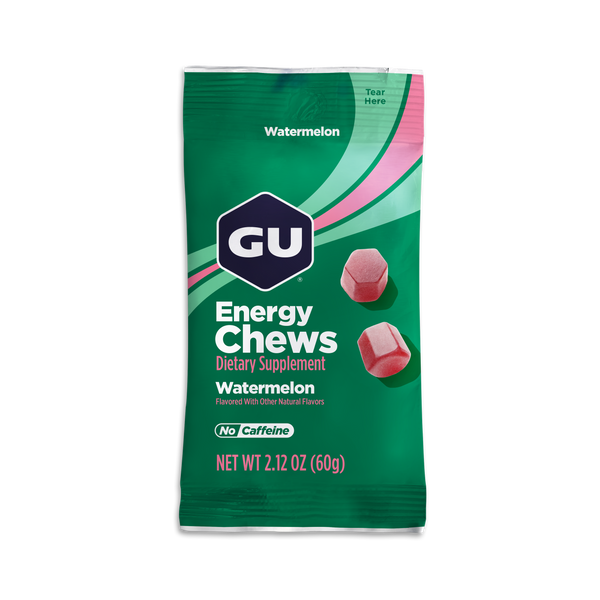
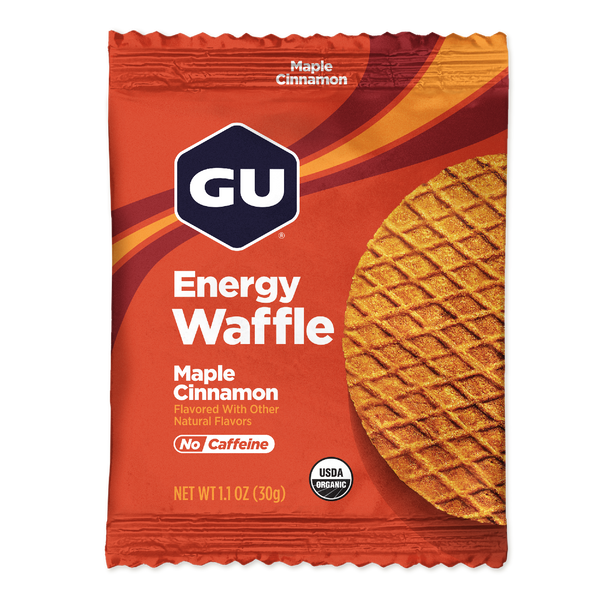
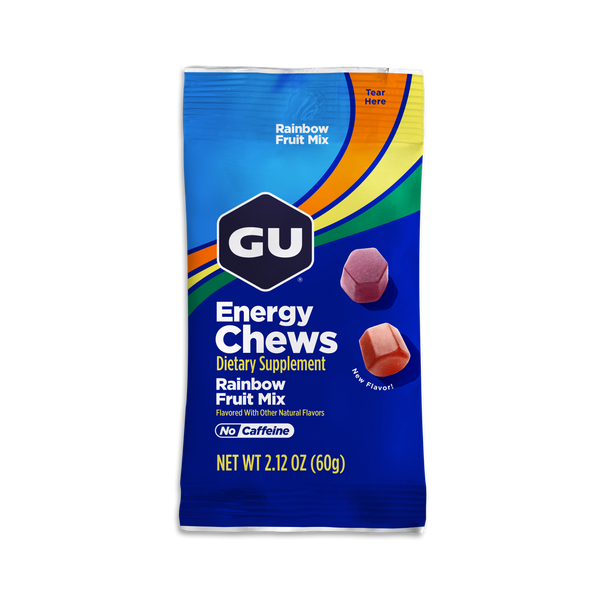
All the carbohydrates without added caffeine or stimulant load. Available across:
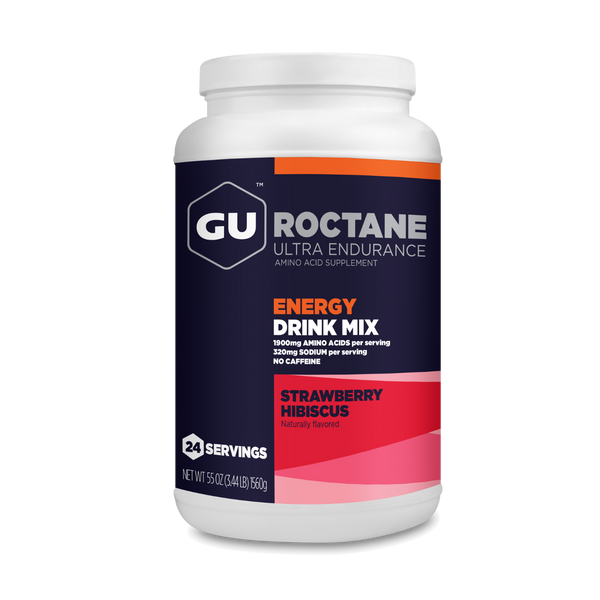
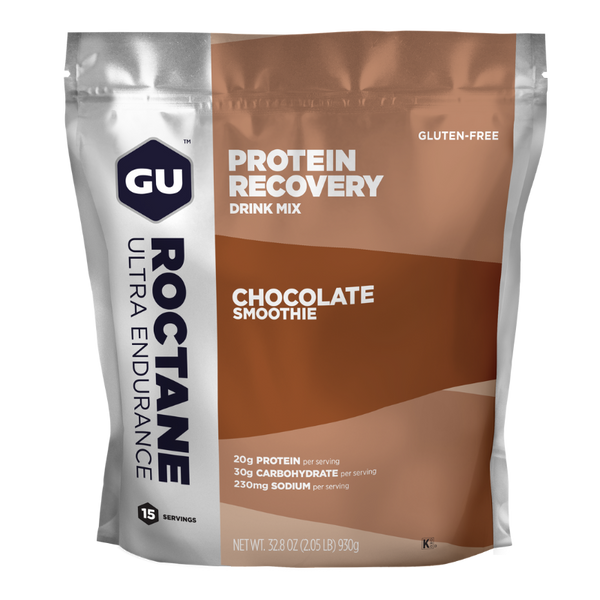
Non-Caffeinated Hydration and Recovery Support
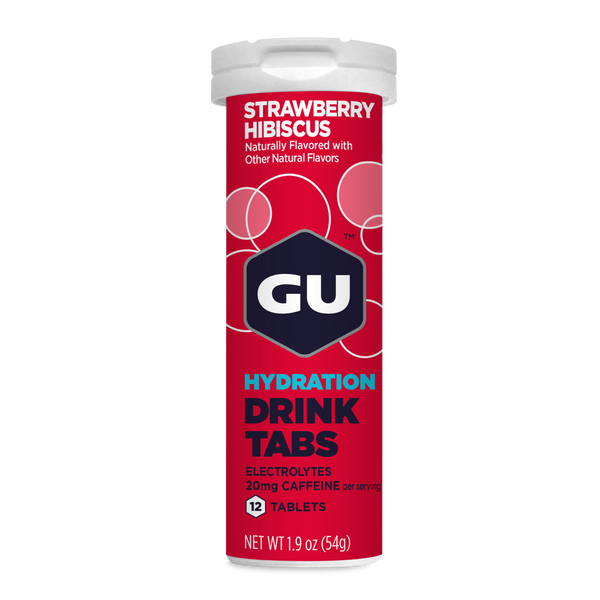
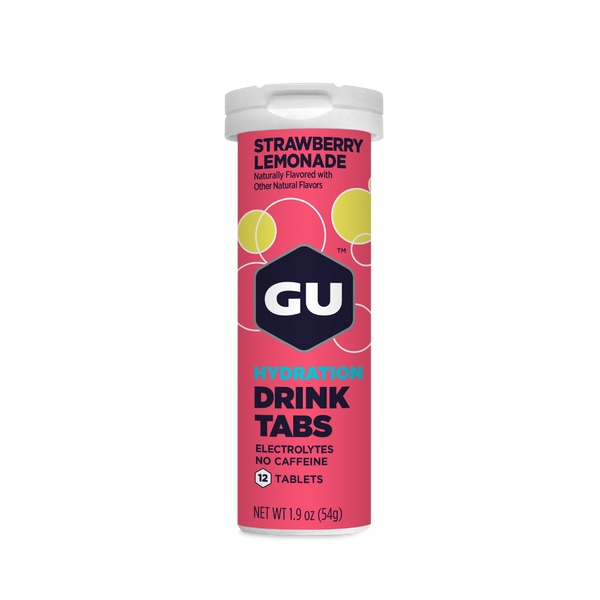
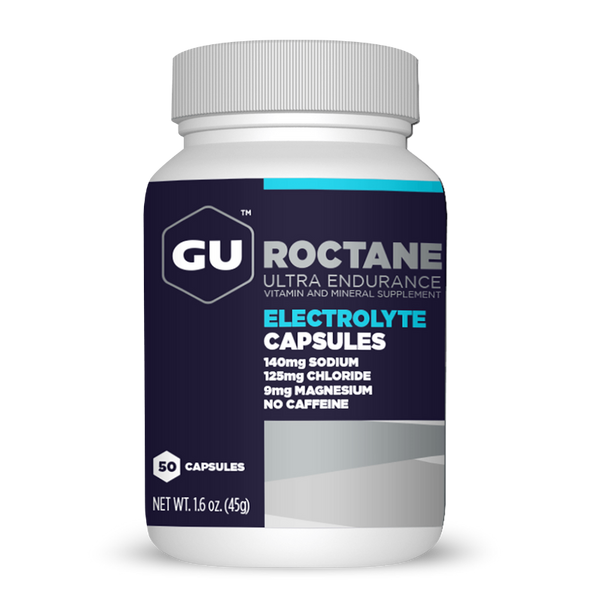
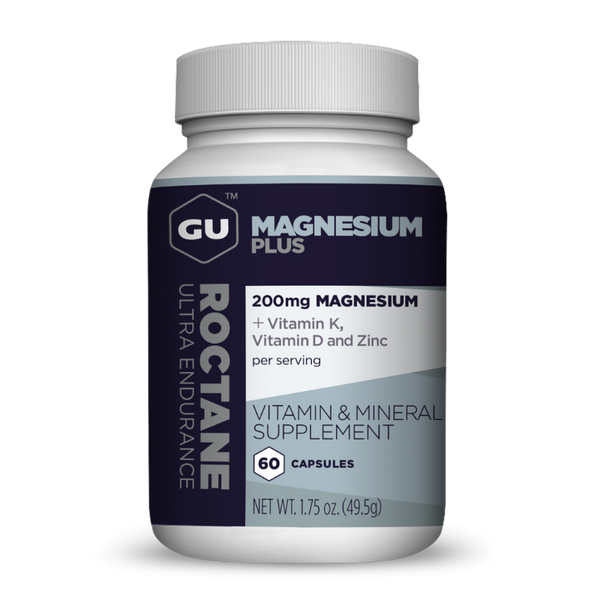
Performance is more than carbohydrates. Hydration and recovery products provide foundational support without caffeine.
As with any fueling strategy, caffeine use should be tested during training to understand individual tolerance.
Caffeinated vs Non-Caffeinated Fuel Comparison
| Decision Area | Caffeinated Fuel | Non-Caffeinated Fuel |
|
Timing in an effort |
Often introduced later in long efforts to help manage fatigue | Commonly used early and throughout for steady carb delivery |
| Training frequency | Used selectively for key or high-intensity sessions |
Used regularly for daily mileage and base training |
| Mental demand | Supports focus and reduces perceived effort during hard efforts | Not designed for stimulant effect |
| Sensitivity and recovery | May impact sleep or gut comfort for some athletes | Suitable for sensitive athletes and evening training |
Explore More Fuel Format Guides
| Eat or Drink Your Fuel | Energy vs Hydration | Roctane vs Original |
| Compare edible fuel like Gels and Chews with drinkable options like Liquid Energy and Drink Mix to determine how you prefer to take in carbohydrates during training and racing. | Learn the difference between carbohydrate fuel and electrolyte support and when your body needs energy, hydration, or both. | Understand when to choose Roctane formulas for higher intensity efforts and when Original GU Energy products provide the right level of support |
Caffeinated vs Non-Caffeinated FAQS
Q: Do I need caffeine for endurance performance?
A: No. Carbohydrates are the foundation of endurance fueling. Caffeine can be used strategically to support focus and reduce perceived effort during longer or more demanding efforts, but it is not required.
Q: Can I mix caffeinated and non-caffeinated fuel?
A: Yes. Many athletes use non-caffeinated fuel early in a workout or race and introduce caffeine later when fatigue begins to increase. Some athletes also strategically take caffeinated products before races and harder training efforts to improve performance.
Q: Should I train with caffeine before using it in a race?
A: Yes. Any fueling strategy should be tested during training to understand tolerance and timing before relying on it during competition.