











Fueling, Training, and Triumph at 19,000 ft

At the Performance Lab, we thrive on tackling the extraordinary. Every year, we invite two athletes to push the limits of human endurance with our full support and expertise. This year, the spotlight fell on Team Roctane’s Jack Thompson—an ultra cyclist, mental health advocate, and nine-time World Record holder—who stepped up with a challenge as bold as his reputation.
The Challenge
When Jack came to us in January, he didn’t just want to set a record, he wanted to redefine what’s possible on two wheels. His goal was to conquer the world’s three highest motorable passes—Khardung La (5,359 m/ 17,582 ft), Taglang La (5,328 m/ 17,480 ft), and Umling La (5,800 m /19,029 ft)—all in one relentless push. No breaks. No excuses. Just pure grit and determination at altitudes where oxygen is scarce and every breath feels like a battle.
The Setting
The unforgiving Indian Himalaya, where thin air and unpredictable weather conspire against even the hardiest adventurers. Jack would ride for over 20 hours—our projections estimated sub-24—through conditions that could swing from blinding snowstorms to unrelenting heat and everything in between. Fueling and hydration would be critical, but at extreme altitude, even eating becomes a challenge. This wasn’t just another ultra ride. It was a war against altitude, fatigue, and the unknown.
Jack is no stranger to suffering. He’s already shattered records across multiple continents, including a full south to north traverse of Japan, but this “Triple Crown” was going to be a different beast. It demanded everything: physical resilience, mental fortitude, and a fueling strategy engineered to turn possibility into triumph.
Our Task
With altitude being the biggest factor standing between Jack and his objective, we focused our intervention on preparing his body and lungs for the thin air. On top of that, a nutrition strategy followed that would allow him to consume adequate calories to support the effort, while considering the well known effects of altitude on the digestive system. We launched our plan of attack in early March, giving us a full six months to prepare for the attempt. Since Jack lives in Spain, much of the testing and training took place remotely, although we were able to bring him into the Performance Lab in April for baseline assessments of body composition and metabolic rate, and a hypoxic tolerance test in our altitude chamber. Back home in Girona, we partnered with Jack’s cycling coaches, Marti Castello and Jordi Extremera, and Cenit to complete regular bloodwork testing and performance measures including VO2max and substrate utilization—a measurement how many calories are burned, and what proportion of carbs versus fat are utilized during exercise. From these data, we were able to initiate our plan and monitor progress over the next six months.
Innovative solutions
Inspiratory Muscle Training (IMT)
We implemented a 5-week resistance training block using the PowerBreathe K5 to enhance Jack’s breathing muscle strength and endurance. This would be pivotal for reducing the oxygen cost of his respiratory muscles during the ride, making him more efficient with his oxygen use and improving fatigue resistance. Using a PowerBreathe K5 trainer, we set up a customized IMT protocol and weekly progressions. IMT is one of the evidence-based solutions Performance Lab has recently adopted for high altitude preparation, and was entirely new for Jack. It consists of 30 maximal inhalations against resistance twice daily on five days of the week. It’s been shown in research to reduce physiological strain during exercise at altitude.
Altitude Camp
Living in Spain, Jack had access to the nearby mountains of Andorra, where we sent him to live and train for 2.5 weeks at an elevation of just over 2,000 m (6,500 feet). This would serve as pre-acclimatization for his subsequent altitude training. Before, during, and after camp, we monitored Jack’s oxygen saturation levels and hematological measures including hematocrit and hemoglobin to gauge his acclimatization status.
Altitude Training
We employed an innovative strategy after Jack’s altitude camp to enhance and prolong his adaptations by using an altitude generator and combined intermittent and continuous altitude exposures in the final days before his attempt. This approach, using a 2 hour pre-breathe cycle (continuous hypoxic exposure) followed immediately by an hour of exercise with altitude exposure (intermittent hypoxic training) would allow Jack to sleep at sea level and recover well from training, while still maintaining and even augmenting his altitude adaptations. This had to be carefully balanced against the other training that Jack was still doing in his final preparations and was planned in collaboration with Jack’s coaches. All training and altitude sessions were meticulously tracked, and oxygen saturation metrics were recorded throughout the sessions. The protocol was based on recent research indicating a benefit of this approach in maintaining altitude-induced hematological adaptations for 30 days following altitude camp.
Carb loading
Since Jack would be in India for several days before the attempt, we had to plan ahead for his final carb load in the final 48 hours. He would target 10 grams of carbohydrate per kilogram bodyweight, much of which would come from rice, sports drink, and other items we could count on finding in India. He brought additional food from home, including freeze dried meals, to ensure adequate protein intake and palatability.
Nutrition and hydration strategy
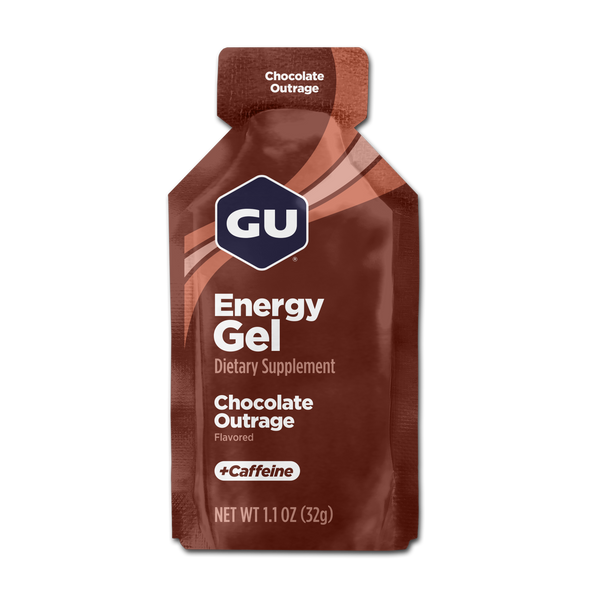
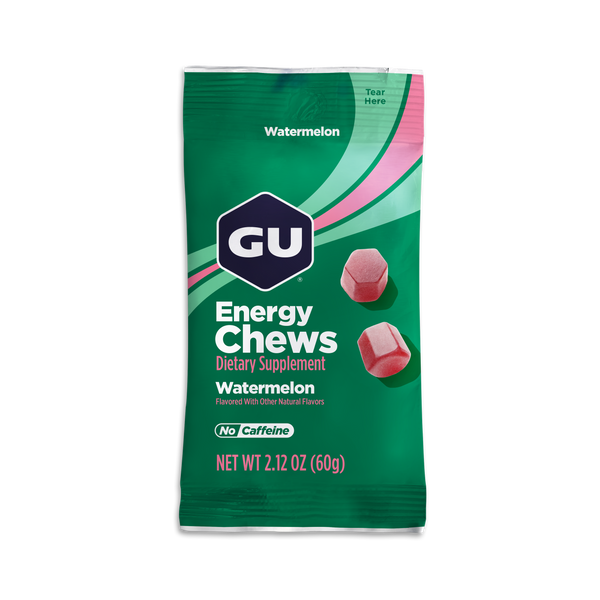
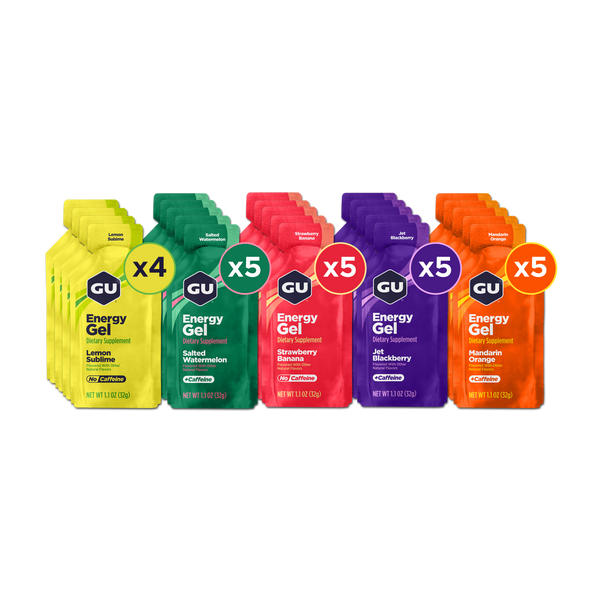
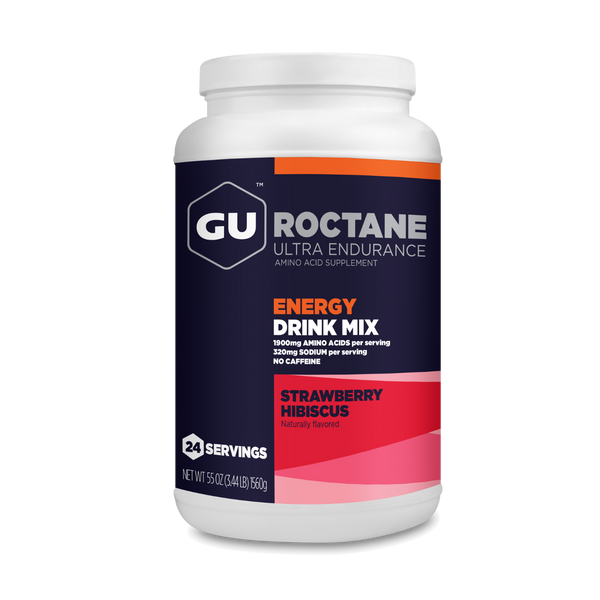
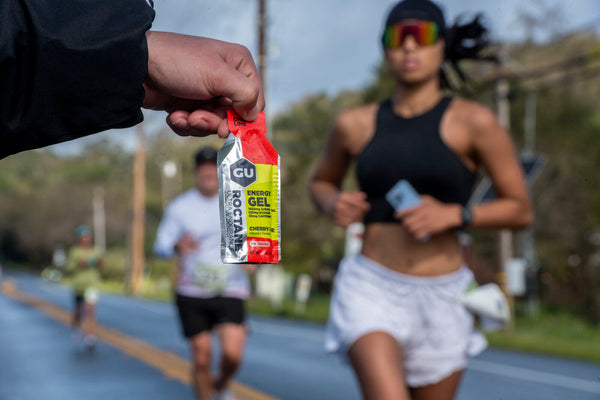
At altitude, blood flow to the gut and oxygen is compromised, which increased the risk of GI distress and limits the absorption of nutrients. On top of that, at extreme altitude the desire to eat or drink is often diminished, making it hard to consume calories. Knowing this, we prioritized easily digestible calories and carbohydrates from existing GU and Roctane products. His go-to has long been Grape Roctane Energy Drink Mix, which was supplemented with additional Liquid Energy gels and Energy Chews. He had a support vehicle following him to refill bottles and hand off supplies every 2-3 hours. Real foods included candies and milk buns, plus some freeze-dried meals that were heated up by Jack’s crew along the way.

The Ride [view on Strava]
Jack successfully set the fastest known time (FKT) across the world’s three highest motorable passes by bike. During the ride, he battled freezing temperatures, snow, and black ice, while also feeling the effects of extreme altitude on his ability to eat. By the 12-hour mark, his appetite had largely disappeared, and from then on had to force himself to take on nutrition. Although this was anticipated, it still reduced his energy levels in the latter half of the ride and made him more vulnerable to the harsh cold.
“This project was a reminder of just how important fueling is in extreme environments. At altitudes above 5,000 m, digestion is compromised, so the reliability of products like GU gels and drink mix made all the difference in getting through it strong.” – Jack T.
By the Numbers
- 250 miles
- 22 hours elapsed time
- 21,325 ft elevation gain
- 3,300 m/10,800 ft min elevation
- 5,800 m /19,029 ft max elevation
- 760 km·h-1 saturation hours of altitude training
- 10 L of Grape Roctane Energy Drink Mix
- 6 Liquid Energy gels
- 4 caffeinated Energy Gels + 2 caffeinated chewing gums
- 2 packets GU Energy Chews


What We Learned
- Prepare for the task and the environment.
Covering 250 miles is challenging on its own, but doing so at extreme altitude demands far more preparation than most expect. Success requires not only altitude exposure and targeted training, but also strategies to strengthen respiratory muscles and improve oxygen efficiency, an emerging approach that significantly boosts performance. Going forward, Inspiratory Muscle Training (IMT) will be a cornerstone of Performance Lab’s high-altitude preparation.
-
Have a solid fueling strategy for the event
Jack trusted that his use of GU and Roctane products would keep him fueled even as his appetite declined. Because he had trained and raced extensively with these products, his gut was well adapted, allowing him to comfortably consume more than 100 grams of carbohydrate per hour. By preloading his liver and muscle glycogen stores in the days leading up to the event and starting with aggressive fueling early in the ride, Jack was able to sustain his effort even when his intake dropped during the latter stages.
3. Test and target.
During preparation, blood tests revealed Jack had low hemoglobin, the iron-containing protein in red blood cells responsible for carrying oxygen and critical for altitude adaptation. Because effective altitude training depends on sufficient iron stores to produce more oxygen-carrying red blood cells, we introduced iron supplementation before and throughout his training camp, continuing up to the FKT attempt. Over time, his hemoglobin levels improved, confirming that both the altitude exposure and supplementation strategies worked as intended.

- Know yourself.
In working with the Performance Lab, Jack embraced new strategies during this project, including IMT and a home-based altitude training protocol designed to sustain and amplify the benefits of his 2.5-week altitude camp. In collaboration with his coaches, the Performance Lab was able to help Jack balance training loads, altitude exposure, nutrition and supplementation without overreaching. This process gave Jack deeper insight into his own physiology, allowing him to tailor his preparations and build his confidence despite the huge and largely unknown challenge ahead.
Conclusion
Ultimately, this case study demonstrated a successful translation of the latest performance science into practical strategies that deliver results in the most extreme environments. Leveraging our expertise in nutrition, supplementation, high altitude physiology and endurance training, the Performance Lab helped Jack prepare for and conquer his toughest challenge yet. It’s proof that when science meets determination, the limits of human performance are not fixed—they’re meant to be redefined.
In Jack’s words, “I got a really good understanding of myself, and it’s an understanding that I can put into practice on other projects. I’m stoked to work with partners that really are pushing the boundaries of science and exploring the very latest research so that their athletes can get the most from themselves.”
