











From Planning to Podium: Lessons from Unbound XL
The Challenge
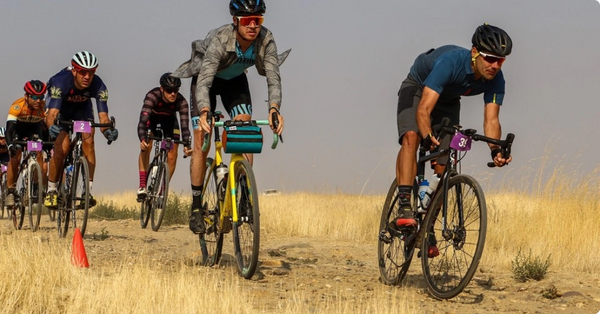
Unbound XL is a 360-mile self-supported gravel race through Kansas’ Flint Hills, featuring rugged terrain, GPS-only navigation, and over 17,000 feet of climbing. Riders battle heat, wind, and mud, all with zero crew support.
For this project, our goal was to help GU athlete Serena Bishop Gordon optimize her performance and clinch a podium finish. Having never raced this distance, Serena needed a comprehensive nutrition plan, a caffeine strategy, and heat management tactics. While she was confident using GU and Roctane products for events up to 10 hours, Unbound XL—estimated to take nearly 24 hours—was uncharted territory.
Our Task
The race’s extreme duration required strategies to combat mental and physical fatigue and manage heat. With only convenience stores available for resupply along the route, we designed a flexible nutrition and hydration plan that balanced familiar GU and Roctane products with practical options she could purchase on course. This approach helped reduce unnecessary weight while ensuring she had reliable fueling options.
Innovative Solutions
To prepare Serena for the unique demands of Unbound XL, we focused on practical, evidence-based strategies:
- Heat Management: A prototype cooling energy gel was introduced to help improve heat tolerance and comfort during the hottest parts of the race.
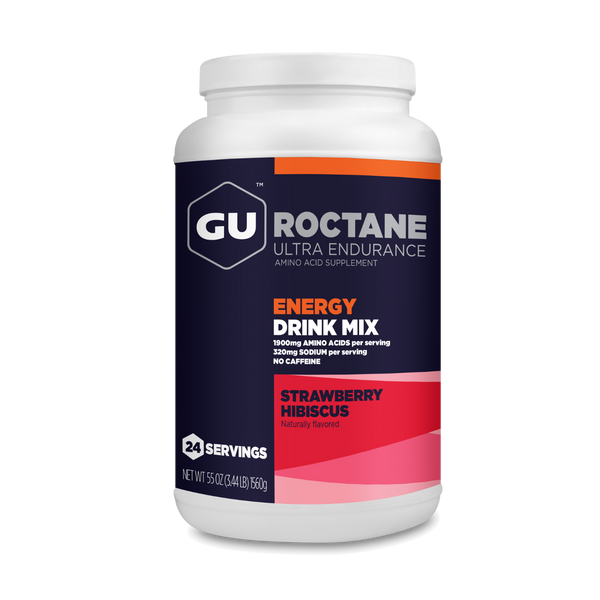
- High Carb Drink Mix: We developed a prototype high carbohydrate drink mix to maximize carbohydrate and electrolyte intake while minimizing the risk of GI upset.
- Carb Preloading: We employed a 72-hour carb loading protocol, targeting 8-10 grams of carbohydrate per kilogram of body weight daily to max out glycogen stores in the liver and muscle.
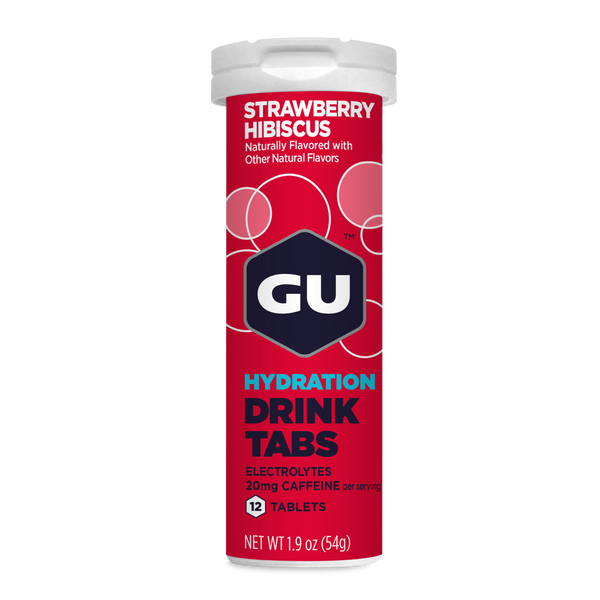
- Heat Training: A five-week heat acclimation plan began with a week-long camp in Arizona and progressed to active and passive sessions lasting up to 80 minutes. Serena used both sauna sessions and indoor trainer rides in a heated environment, while increasing fluid and electrolyte intake to offset sweat losses—consuming 4.5–5.5 liters of fluid daily with GU Hydration Tabs.
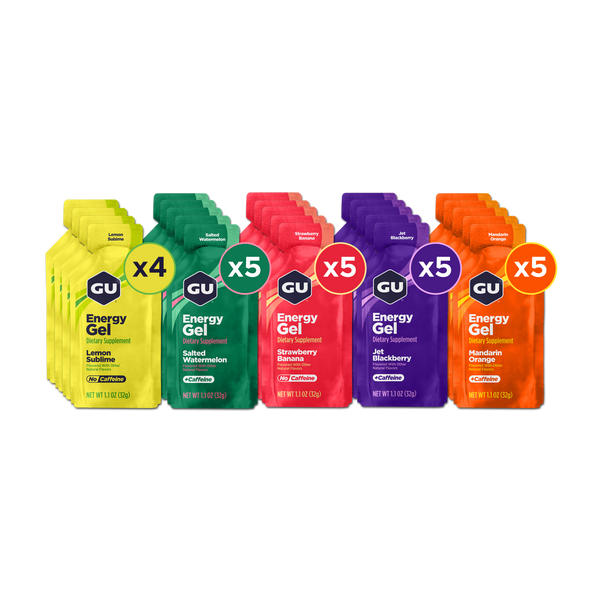
- Race day nutrition and hydration strategy: On race day, the priority was keeping the plan simple and easy to follow. Serena worked from the hourly targets she had practiced during training. To make this achievable, Serena trained her gut to tolerate these amounts by gradually increasing intake during practice rides. By race day, she was comfortable with the targets. The plan emphasized consistency—sipping calories every 20 minutes and alternating gels with solid food every 45 minutes. Roctane Energy Drink Mix provided the bulk of her calories (about 2,750 total), while gels and real food items helped maintain variety and prevent flavor fatigue. Timers on her bike computer served as reminders to stay on schedule.
- Carbohydrate: 65–70 grams per hour
- Fluid: approximately 750 ml per hour
- Sodium: 500–800 mg per hour
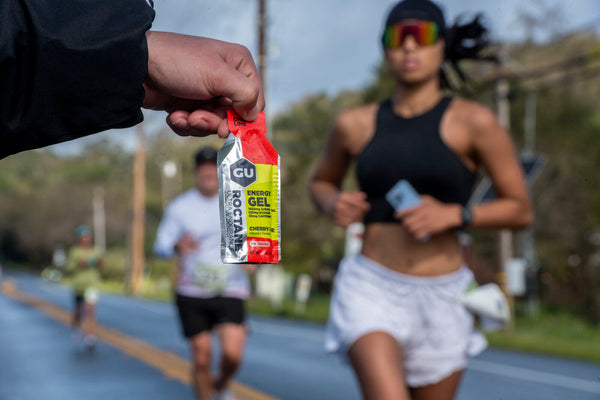
- Caffeine strategy: Managing caffeine intake was an important part of Serena’s plan. Since caffeine has a half-life of about 4–6 hours, we scheduled doses to maintain a steady effect without overdoing it. Serena used Roctane Cold Brew Energy Gels, each providing 70 mg of caffeine along with carbohydrates and electrolytes. She tested these gels extensively in training, including night rides, and found the boost noticeable but not overwhelming. During the race, she consumed six Cold Brew gels for a total of 420 mg of caffeine.
Race Results
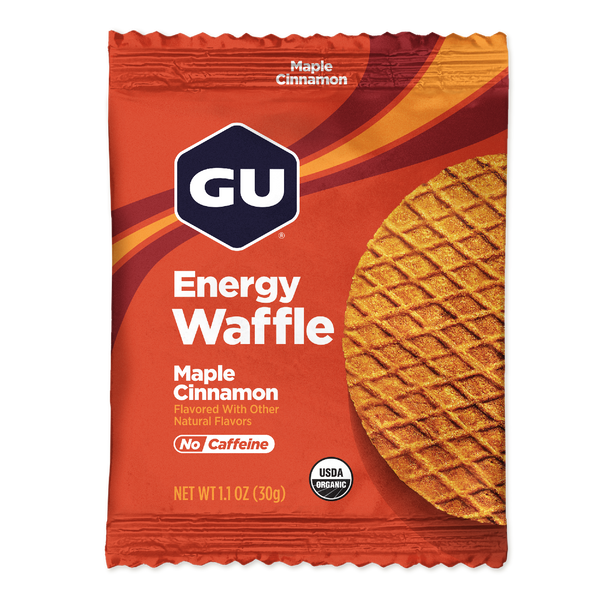
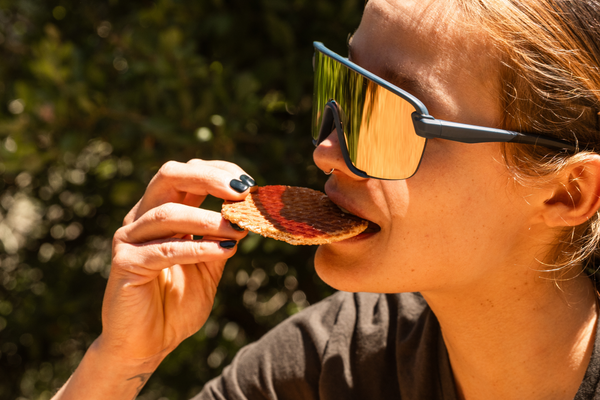
Serena aimed to finish in under 24 hours, and her nutrition plan was designed with that goal in mind. Simplicity was the priority to avoid unnecessary mental strain during the race. While resupply opportunities were available every 50–80 miles, we ensured she carried enough familiar products to fuel the entire event. This included her custom drink mixes, gels, and Stroopwafels.
Her final race numbers were as follows:
- 2nd place female
- 358.59 miles
- 22:19:56
- 19,606 ft elevation
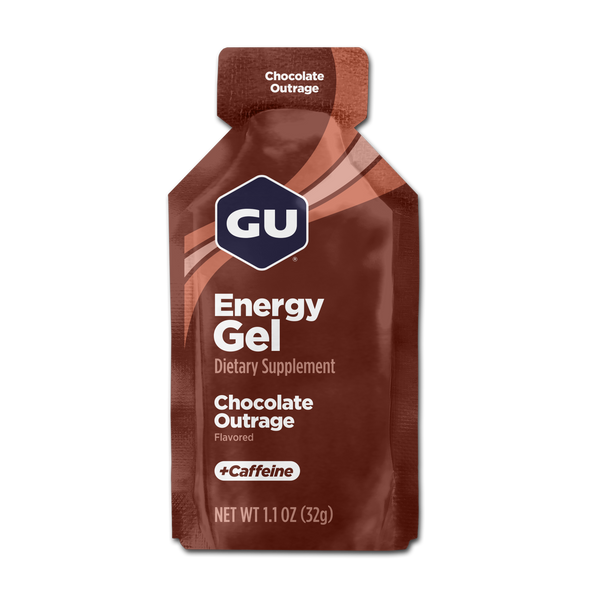
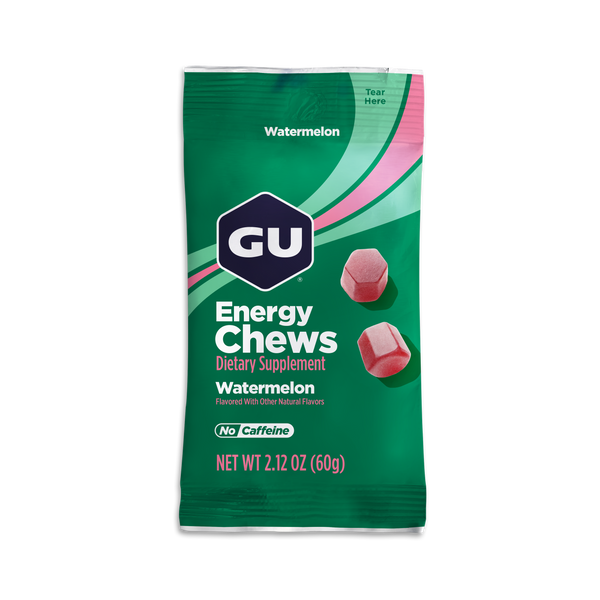
- 1,450 g of carbohydrates consumed, including 21 GU/Roctane gels, 11 servings of Roctane drink mix, and 2 Stroopwafels
- ~66g carbohydrate per hour (goal was 70 g/hour)
In the end, Serena executed the plan flawlessly, eating and drinking on schedule with the aid of her preset timers. She found the food items we had planned for at the convenience stores, getting in and out of each checkpoint efficiently while relying on her custom drink mixes and Roctane gels to serve as the backbone of her nutrition plan. Not only that, but she was also comfortable in the heat, thanks to her heat training preparation and the strategic use of a prototype cooling energy gel during the hottest part of the day. She was so well prepared that even when other riders were struggling with the high ambient temps, she didn’t feel hot.
What We Learned
- Heat training helps. If your race will take place in warm or hot conditions, include at least two weeks of heat training in your preparation. Remember to increase fluid and electrolyte intake to compensate for higher sweat losses.
- Practice your nutrition. Start training with the products you plan to use well in advance. Gradually increase carbohydrate intake to find the level that provides energy without causing discomfort.
- Be strategic. Set timers to remind you to eat and drink. Plan your caffeine intake so you don’t overdo it. Leave as little up to chance as possible, but know how to course correct if things don’t go as planned.
- Trust the process. Heat training, gut training, carb loading, and maintaining energy availability can feel demanding, but these steps pay off. Doubt is normal—consistency and preparation lead to success.
Conclusion
Serena’s success at Unbound XL demonstrates the value of thorough preparation and a well-structured plan. By combining heat acclimation, gut training, carbohydrate loading, and a simple, consistent fueling strategy, she was able to perform confidently in one of the most demanding gravel races. This case study reinforces that attention to detail—both in training and execution—can make the difference between finishing and excelling in ultra-endurance events.