



















Matching Your Fuel to Your Hardest Training Days
Reviewed by Roxanne Vogel, PhD
Not every training day asks the same from your body. Your fueling should reflect that.
Easy runs, interval sessions, and long endurance days all place different demands on your system. When your fueling matches that demand, you stay strong, focused, and consistent.
When it does not, fatigue shows up early.
What Is Training Load Fueling?
Training load fueling is the practice of adjusting your energy intake based on how hard and how long you train.
It accounts for three key variables:
- Duration
- Intensity
- Conditions
The higher those variables go, the more your body depends on carbohydrates, fluids, and electrolytes.
The Core Principle: Match Fuel to Effort
Your body does not need maximum fuel at all times. It needs the right amount at the right time.
A simple way to think about it:
- Low effort requires hydration and recovery
- Moderate effort requires steady energy
- High effort requires consistent fuel and electrolytes
This is not about eating more. It is about fueling with purpose.
Fueling Framework: Adjusting to Your Hardest Days
Instead of treating every workout the same, adjust your fueling based on the work required.
|
If your workout is… |
What to focus on |
What to do |
What to use |
|
Easy or short |
Hydration and recovery |
Drink fluids regularly. Add fuel only if needed |
|
|
60 to 90 minutes |
Steady energy |
Take in carbs every 30 to 45 minutes. Sip fluids consistently |
|
|
Long or intense |
Energy, hydration, and electrolytes |
Fuel every 20 to 30 minutes. Replace fluids consistently |
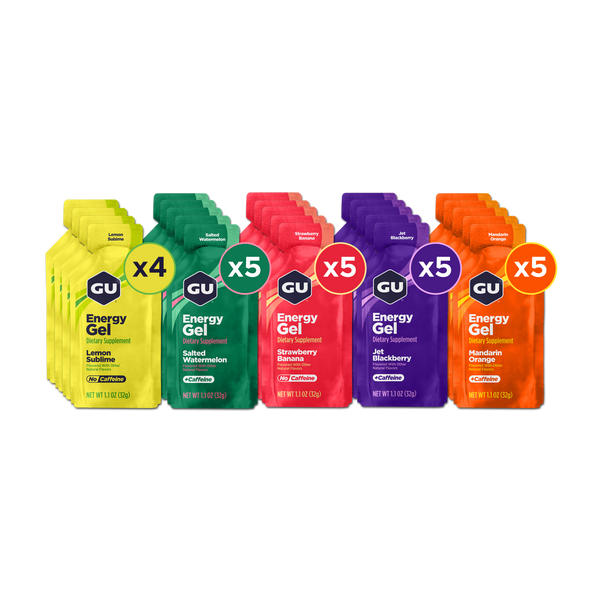
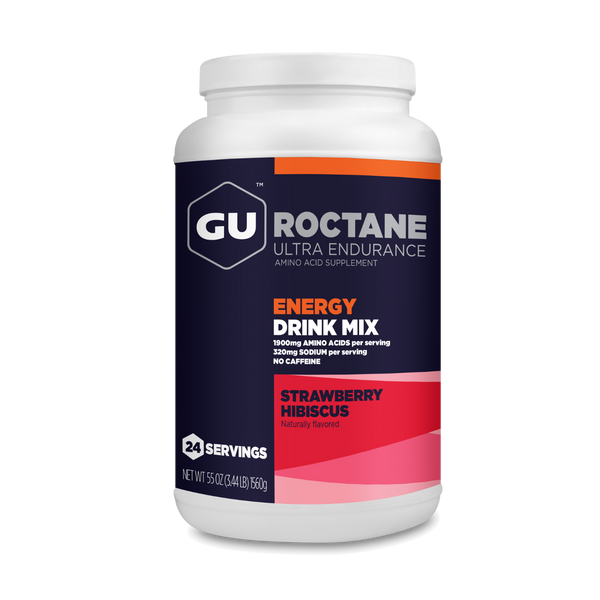
Energy Gels, Roctane Energy Gels, Hydration Tabs, Roctane Drink Mix |
1. Easy and Recovery Sessions
These sessions place lower demand on your energy systems but still require support.
Focus:
- Hydration
- Electrolyte balance
- Recovery support
Strategy:
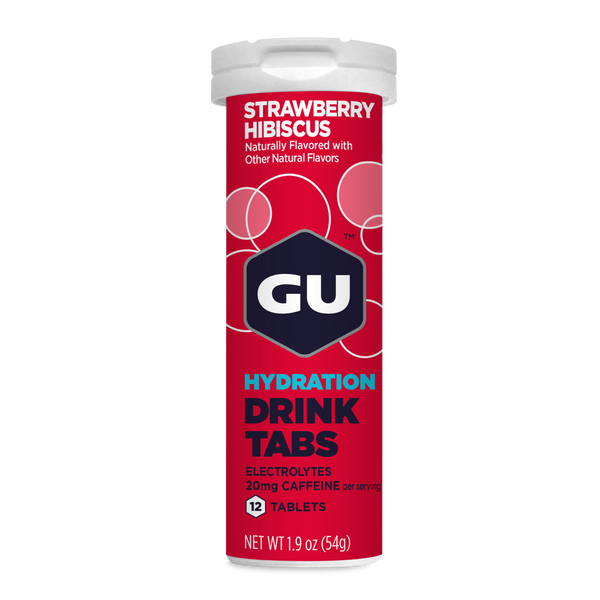
- Use Hydration Tabs to maintain fluid balance
- Skip heavy fueling unless the session extends past one hour
Key takeaway:
Support your system without overloading it.
2. Moderate Training Sessions
Steady efforts and mid-length workouts require more consistent energy input.
Focus:
- Maintain energy levels
- Delay fatigue
- Stay hydrated
Strategy:
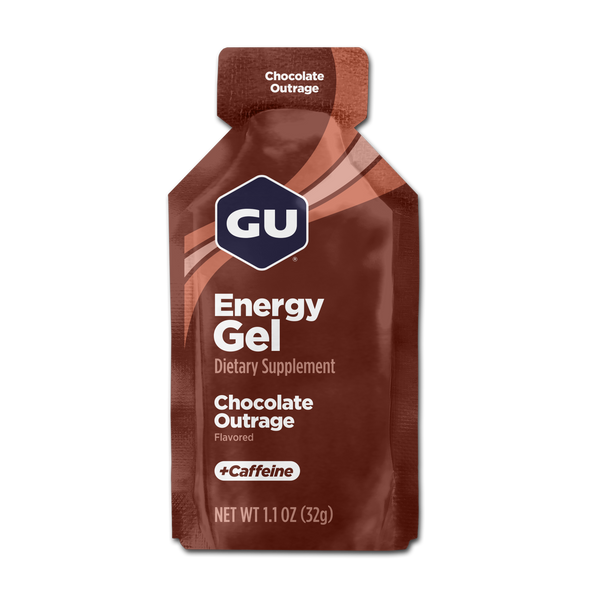
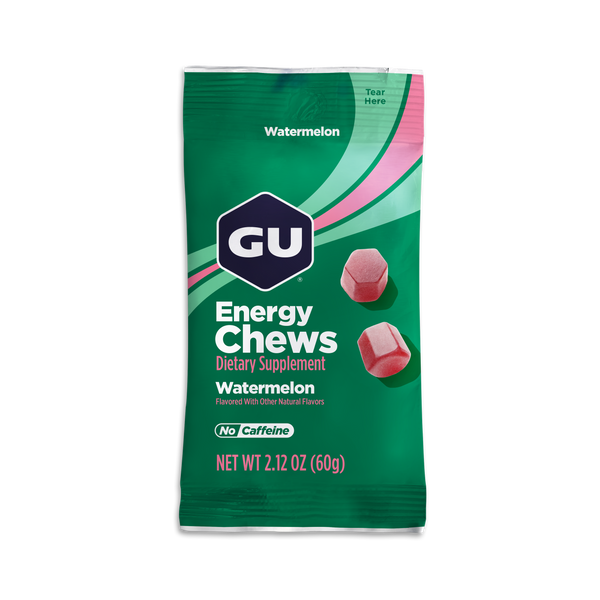
- Use Energy Gels or Energy Chews every 30 to 45 minutes
- Sip fluids regularly
Key takeaway:
Fuel early and often enough to stay consistent, not reactive.
3. High Training Load and Long Efforts
This is where fueling becomes critical to performance.
Focus:
- Sustained carbohydrate delivery
- Electrolyte replacement
- Mental and physical endurance
Strategy:
- Take Energy Gels every 20 to 30 minutes
- Add Hydration Tabs or Roctane Energy Drink Mix for electrolyte support
- Use Roctane Energy Gels for higher intensity demands
Key takeaway:
Hard efforts require a full fueling system, not guesswork.
How Many Carbs Do You Actually Need?
Carbohydrate intake should increase as training load increases.
General guidelines:
- Moderate intensity training: 30 to 60 grams per hour
- High intensity or long duration: 60 to 90 grams per hour
Products like GU Energy Gels, Liquid Energy, and Roctane Energy Gels make it easier to meet these targets without interrupting your effort.
How to Fuel Across a Full Training Week
Zoom out from individual workouts and look at your full schedule.
A balanced weekly approach might look like this:
- Low days: Focus on hydration and recovery
- Workout days: Add structured fueling to support effort
- Long days: Commit to consistent fueling and hydration
This approach helps stabilize energy, improve recovery, and support long-term progress.
Signs Your Fueling Is Not Matching Your Training
If your fueling falls behind your workload, your body will let you know.
Watch for:
- Energy dropping earlier than expected
- Difficulty maintaining pace
- Mental fatigue or lack of focus
- Slower recovery between sessions
These are not just training issues. They are often fueling issues.
Fuel With Intention
Your training already has structure. Your fueling should too.
- Match your intake to the work required.
- Adjust as your training evolves.
- Stay consistent when it matters most.
Because when your fueling aligns with your effort, performance follows.