



















Top Fueling Tips for Winter Training
Winter might slow the world down, but for endurance athletes, it's a season of opportunity. Whether you're deep in your off-season or laying down the foundation in your base phase, how you fuel now sets the tone for your performance later. And yes, nutrition still matters, even when your runs are shorter or your rides start with frozen toes!
Timing Nutrition for Cold-Weather Training
|
When |
What to Use |
Winter-Specific Tip |
|
Pre-Workout |
Store in a warm place to keep soft |
|
|
During Workout |
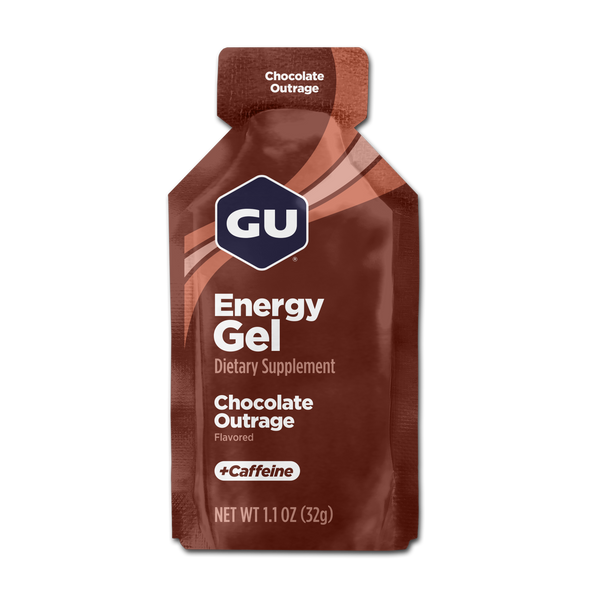
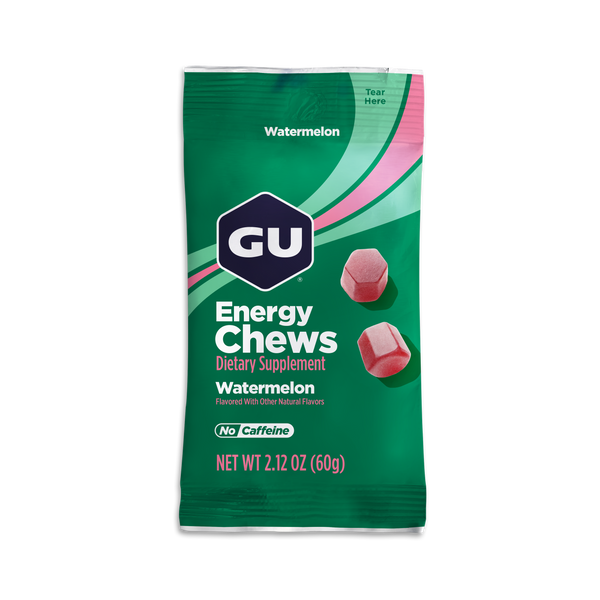
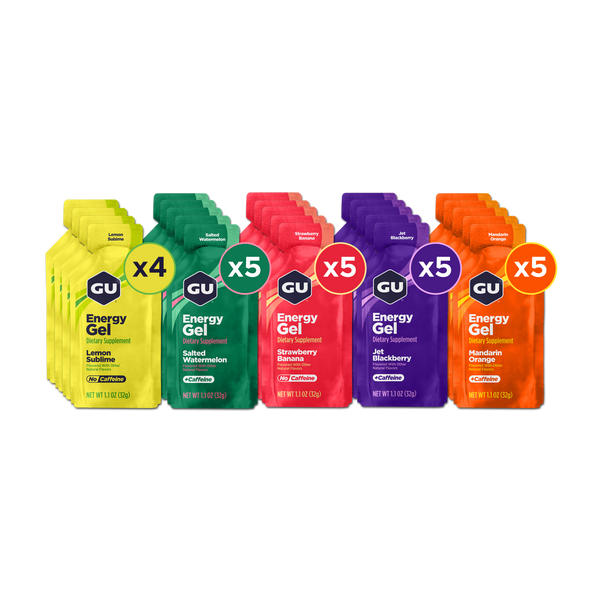
Energy Chews or Gels every 20 to 30 minutes |
Keep fuel close to your body to prevent freezing |
|
Every Hour |
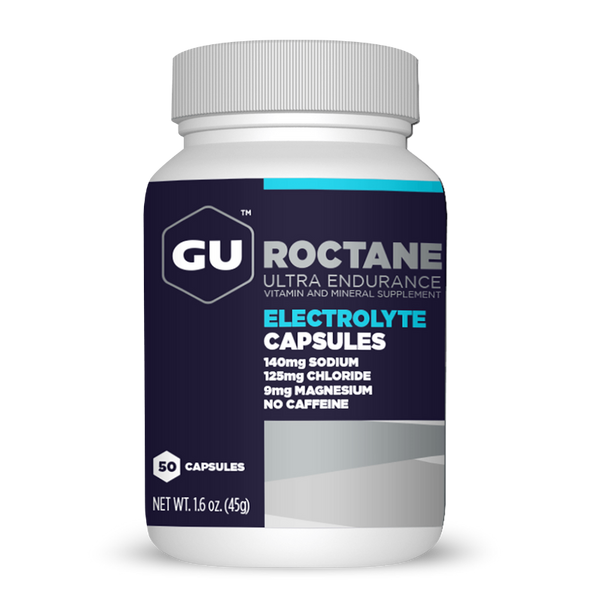
Roctane Electrolyte Capsule + water |
Replaces sodium lost through sweat in dry winter air |
|
Post-Workout |
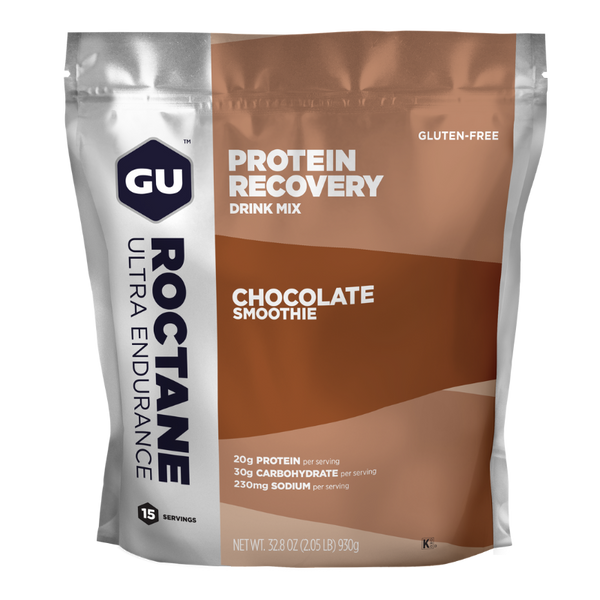
Refuel once warmed up to support digestion and muscle repair |
Fueling Still Counts
When training volume decreases, it is easy to assume you need less fuel. But cold weather increases energy demands. Your body works harder to maintain its core temperature, even at a slower pace or lower heart rate. Combine that with a steady training load, and your body is still asking for carbohydrates to stay energized and balanced.
Pro tip: Store a few GU Energy Gels or Chews in an inner pocket or vest. Your body heat helps keep them soft and ready to eat, even when the temps drop below freezing.
Hydration Matters, Even in the Cold
Cold weather often masks how much fluid you lose. Even without visible sweat, you are still dehydrating through respiration and perspiration under your layers. That sneaky fluid loss adds up and can leave you sluggish or cramping post-workout.
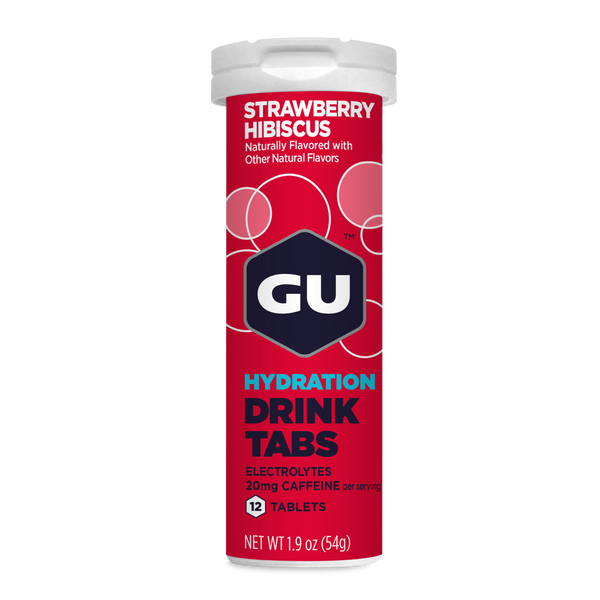
Pro tip: Start your session hydrated by sipping GU Hydration Tabs dissolved in warm water. It is more comfortable in the cold and ensures you begin each workout properly hydrated.
Keep Your Immune System Strong
Winter training brings more than just freezing air. Indoor workouts, travel, and less daylight can all challenge your immune system. Staying consistent with key nutrients can help you avoid setbacks that derail your base building.
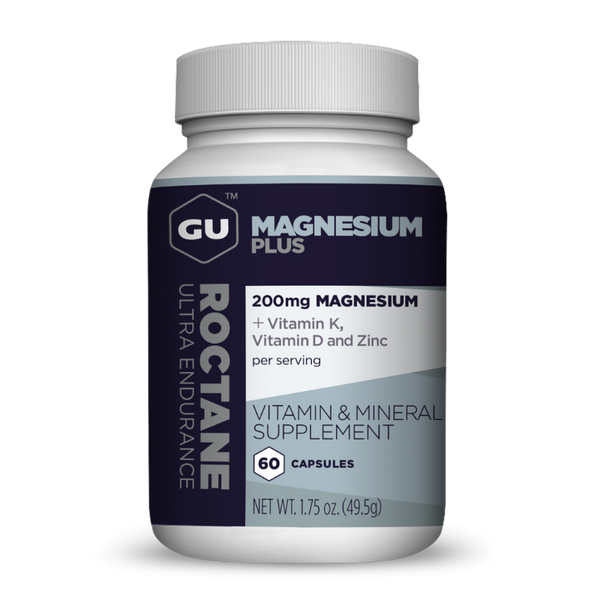
Pro tip: Incorporate Magnesium Plus Capsules into your daily routine. The micronutrients and gut support play a crucial role in helping you stay healthy and consistent all winter long.
Choose Snacks That Actually Work in Cold Weather
Ever tried to eat a frozen bar mid-run? Not fun. In winter, not all fuel holds up well. You need options that are portable, reliable, and don’t turn rock-solid in the cold.
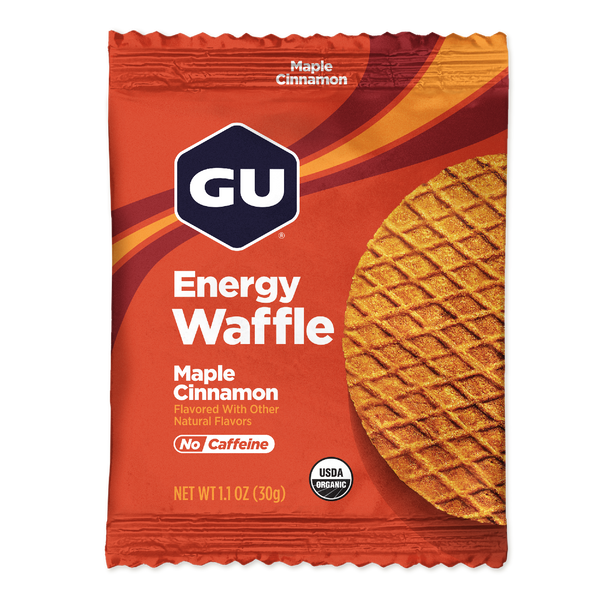
Pro tip: GU Energy Waffles are a cold-weather secret weapon. Warm one up briefly or keep in a pocket close to your body. It tastes like a treat but delivers serious fuel with carbs and amino acids.
Make Consistency the Goal
Winter training is not about perfection. There will be snow, wind, and days when motivation dips. What matters most is showing up and staying consistent. That includes your fueling. You do not need to overthink your macros or create complex plans. Just fuel enough to stay energized, hydrated, and recovering well.
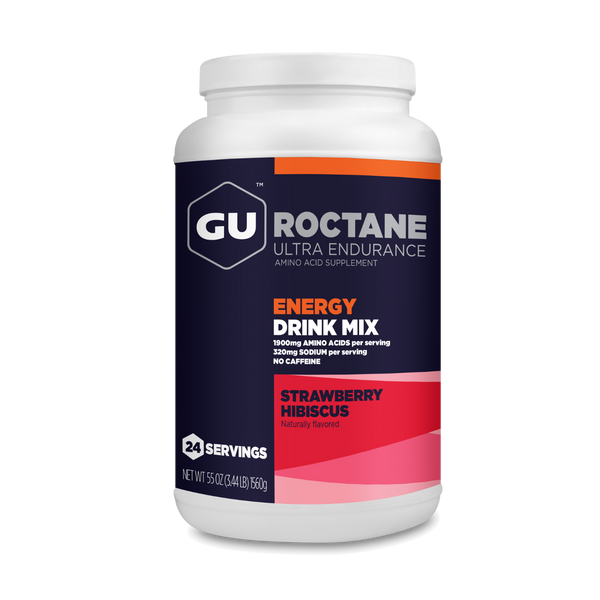
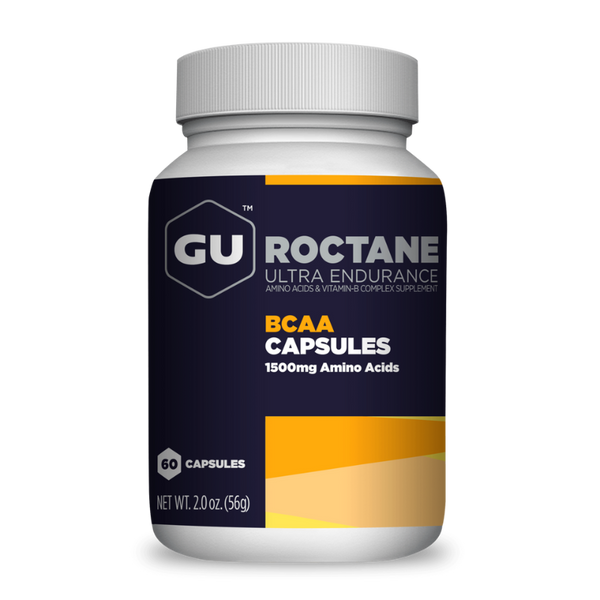
Pro tip: Keep a small “fuel station” by your gear setup or door. Stock it with Gels, Chews, Hydration Tabs, Capsules, and Recovery mix so everything is ready when you are.
Sets the Tone for Your Season
No matter what your winter training looks like, whether it is snowy trail runs, early morning rides, or indoor base building, your nutrition is the key to staying strong, steady, and motivated. By fueling with purpose and planning for cold weather conditions, you give your body the support it needs to adapt, grow, and thrive. Winter is not a pause between seasons. It is where endurance begins.