















Reviewed by Roxanne Vogel, PhD
The morning starts at the kitchen counter, with your pack open while you lay out what’s going with you on your hike for the day. Water, yes. A rain layer, maybe. Then the harder question: what to eat, and when. Knowing that four miles up the trail is a climb that gains 3,000 feet in under two miles, you want to be prepared for the kind of grade that makes you notice your pack straps for the first time all day.
Hiking pace is not race pace, even on a day with a climb like that in it. Hikers need two different kinds of fuel: a steady baseline that carries them through hours of moderate effort, and quick hits reserved for the moments you really need them, like a hard climb or the last push to a summit.
Getting the two confused is why so many hikers either run out of gas on the flats or burn through their gels before the climb where they needed the boost.
Quick Reference: Fuel by Hiking Scenario
|
Scenario |
Primary Fuel Type |
GU Product |
|
Long flat approach |
Steady |
Energy Waffle, trail mix |
|
Steep climb |
Quick hit |
|
|
Multi-day thru-hike |
Steady plus recovery |
Roctane Energy Drink Mix, Roctane BCAA Capsules |
|
First-time day hike |
Middle, low pressure |
Why Hiking Fuels Differently Than Running
Running holds you at a sustained, elevated intensity for the length of the effort. Hiking rarely does that, even on a hard day. Pace shifts constantly with grade, footing, and how the group is doing, which means most hiking sits at a lower relative intensity than a training run, even when the hike takes far longer.
Field research on outdoor uphill walking has found that perceived effort and physiological intensity vary far more session to session than they do in the kind of controlled, sustained effort a training run holds (Eisenberger et al., 2022).
Why that matters: exercise intensity is the main factor that decides which fuel your body calls for.
- At low intensity, most of the energy comes from oxidizing fat.
- As intensity climbs toward a moderate running pace, the body leans more on muscle glycogen and blood glucose instead (Ramadoss et al., 2022).
Hiking's lower, steadier intensity means you are burning a higher proportion of fat than a runner would at any given moment. That is a real physiological difference, not just a feeling.
|
Typical Running |
Typical Hiking |
|
|
Intensity |
Moderate to high, sustained |
Low to moderate, variable |
|
Typical duration |
30 minutes to a few hours |
Several hours to multiple days |
|
Primary fuel substrate |
Carbohydrate-leaning as pace rises |
Fat-leaning at cruising pace, carbohydrate on climbs |
|
GI risk |
Higher, from sustained jostling and intensity |
Lower at cruising pace, rises on climbs |
|
Main fueling need |
Frequent carbohydrate to match output |
Steady calories plus targeted carbohydrate on demand |
Running's higher GI risk is not just a matter of feel. Controlled testing has found that GI symptom incidence and severity in runners rise measurably as exercise duration and exertion increase (Gaskell et al., 2023).
What Actually Depletes on the Trail
Hiking leans more on fat for fuel than running does, but that does not mean you can skip eating altogether.
Over many hours on trail, muscle glycogen and blood glucose still draw down. A case study tracking a thru-hiker across a multi-month trek found that under-consuming calories and carbohydrate relative to expenditure led to measurable declines in body composition and eventually forced the hike to end early due to fatigue and injury (Saenz et al., 2024).
The takeaway: a hike that never feels like a hard effort can still leave you running on fumes if your intake has not kept pace with the hours on your feet. Steady fuel across a long hike is not about needing a gel every mile, it’s about consistent calorie intake so you don't drain your energy stores over time.
Elevation, Heat, and Cold Change What Your Body Wants
Three conditions common on trail change the fueling picture in ways a flat, temperate run does not.
Altitude. Above 5,000 meters, food can start to feel like the last thing you want, even mid-afternoon on a demanding day of trekking, right when your body needs it most. A study following trekkers and porters on a multi-week Himalayan expedition found real consequences to that lost appetite: both groups ate well under what the trek demanded, and by the end showed measurable loss of muscle and body water (Bondi et al., 2021). If you find yourself not wanting to eat on a high alpine day, that is a known physiological response, not a sign you do not need the calories. Eat on a schedule at altitude rather than waiting to feel hungry.
Heat. As core temperature rises, blood flow shifts toward the skin for cooling and away from the gut, which can slow digestion and raise GI symptom risk during exertion (Sumi et al., 2023) On an exposed, hot ridge line, smaller and more frequent caloric intake tends to sit better than one large calorie-dense snack.
Cold. Cold conditions can increase daily caloric needs while blunting thirst. Research on thru-hiking in adverse weather noted wide temperature swings, from well below freezing to well above 30°C depending on elevation, were a factor complicating caloric and hydration planning throughout the trek (Saenz et al., 2024). Winter and shoulder-season hikers are often the ones least inclined to stop and eat, and the ones who most need to.
The Fuel Spectrum: Steady, Middle, and Quick Hit
|
Product |
Calories |
Carbs |
Sodium |
Amino Acids |
Best For |
|
130 |
18 to 21g |
75 to 150mg |
None |
First hours, moderate pace, solid food format |
|
|
90 |
22g |
40mg |
400mg |
Steady middle-distance fueling, portion control |
|
|
100 |
21 to 23g |
60 to 125mg |
450mg |
Quick hits, climbs, bonking moments |
|
|
100 |
19 to 21g |
125 to 180mg |
1425mg |
Heat, high intensity, longer summit pushes |
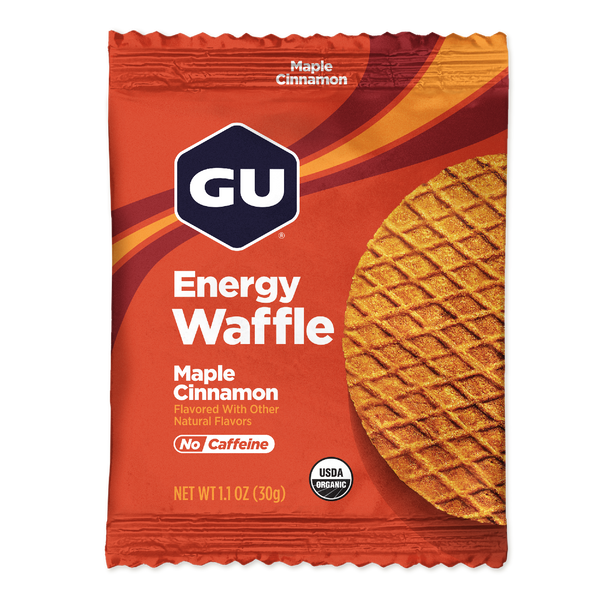
Steady: GU Energy Waffles
The Energy Waffle is a real food format built for the first hours of a hike and for moderate, sustained pace.
Why it works: it is solid, portable, and easy to eat while walking, with 130 calories and 18 to 21g of carbohydrate per serving to cover a full hour or more of steady effort without needing water.
Best for: the flat miles before the effort picks up.
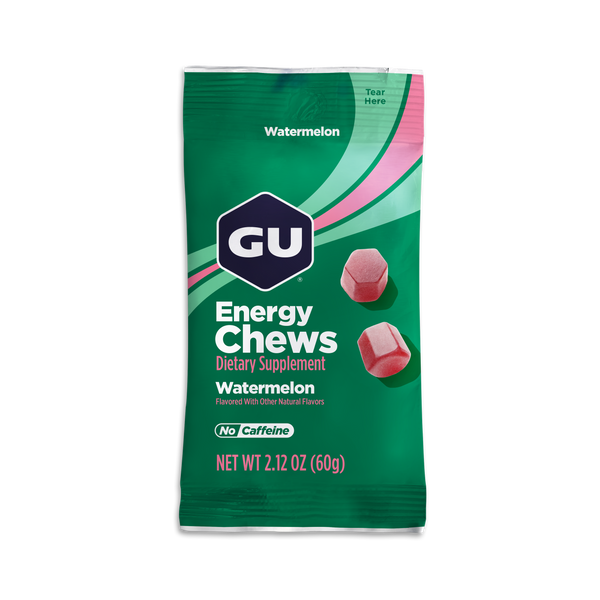
The Middle: GU Energy Chews
Energy Chews sit between the Waffle and a gel, both in format and in role.
Why it works: a portion delivers 22g of carbohydrate and 400mg of amino acids, letting you take in a measured amount without committing to a full gel.
Best for: the middle hours of a long hike, when you want steady intake without committing to a full gel or risking gel fatigue.
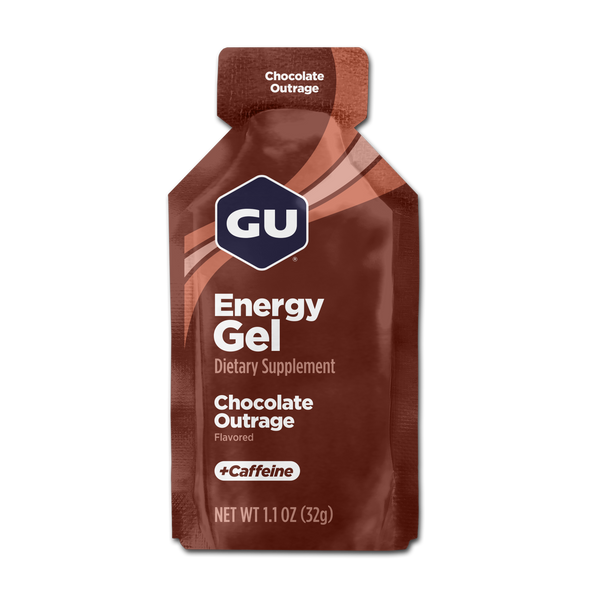
Quick Hit: Energy Gels and Roctane
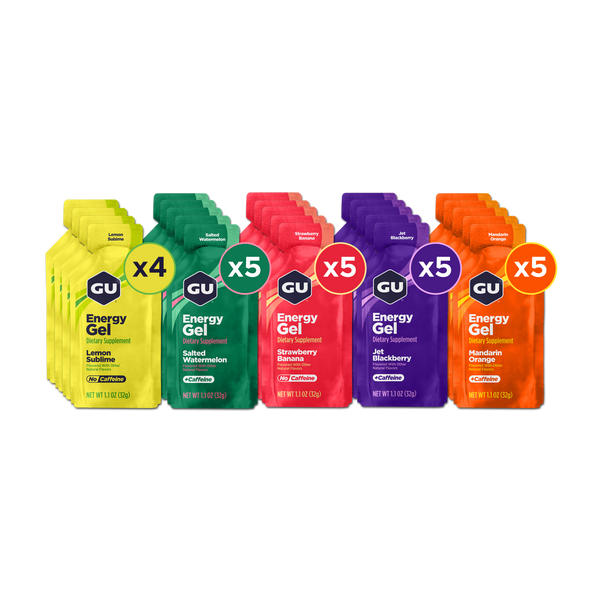
Original Energy Gel and Roctane Energy Gel are built for a fast, concentrated dose.
Why it works: a concentrated 21 to 23g of carbohydrate hits fast in gel form. Roctane carries two to three times the sodium and amino acids of Original, which matters most on the hottest, longest, or highest intensity stretches of a hike.
Best for: a steep pitch, slowing down on the middle stretch, the final push to a summit.
Liquid Energy: Liquid Energy delivers the same carbohydrate profile as Original in a thinner format that goes down easier. Useful on a hot exposed climb or at altitude, when a normal gel feels harder to stomach than it should.
On Real Food
Trail mix, dried fruit, and other whole foods belong in a hiking fueling plan alongside GU products.
Most ultra-endurance athletes rely on a mix of engineered and whole foods to manage GI symptoms over long efforts, not one format exclusively (Ryan et al., 2023).
Real food and gels each have a place: whole foods for the long, lower intensity stretches, gels for when energy needs to be fast and predictable.
Fueling by Scenario
A handful of trail mix next to an Energy Waffle is not a compromise. It is how most experienced hikers actually eat.
The Long Flat Approach
The first two hours of a long approach trail are steady fuel territory.
Fuel: an Energy Waffle at the trailhead, plus trail mix along the way.
Why it works: it covers the low intensity miles without needing a gel in sight, saving quick hits for when your body actually needs them.
The Steep Climb
A 3,000 foot gain in four miles is exactly the moment for a fast, concentrated dose.
Fuel: an Energy Gel or Roctane Energy Gel, taken before the grade turns hard, not after your legs have already told you it is too late.
Why it works: a few sips of water alongside the gel helps your body process it efficiently, right when the climb demands the most.
The Multi-Day Thru-Hike
On a thru-hike, recovery between days matters as much as fueling within a single day.
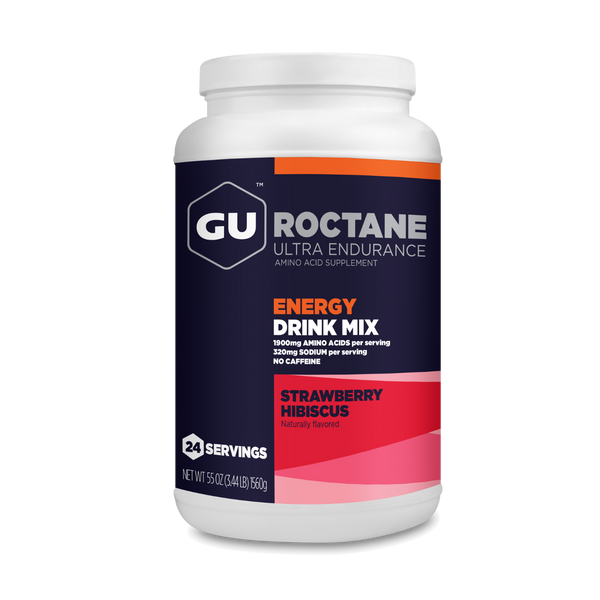
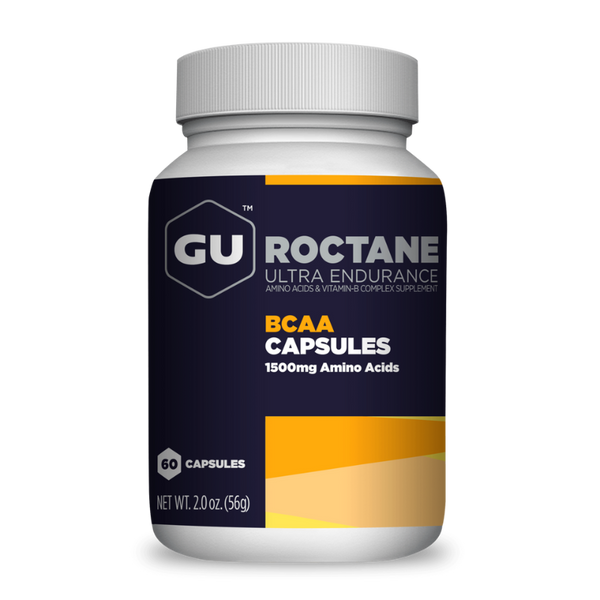
Fuel: Roctane Energy Drink Mix, at 250 calories, roughly 60g of carbohydrate, and 1900mg of amino acids per serving, plus Roctane BCAA Capsules during and after long days.
Why it works: the drink mix covers fuel and recovery in one bottle, while the capsules add a targeted amino acid dose without needing to mix a drink, useful when you are tired and just want water and calories in before setting up camp. Rotating flavors and formats across multiple days also helps sidestep the flavor fatigue that builds after several days of the same fuel.
The First-Timer's Day Hike
A first hike does not need an optimized plan.
Fuel: one Energy Gel or a pack of Chews as backup, alongside regular food and water.
Why it works: the goal on a first hike is building confidence in what your body needs, not extracting maximum performance from it.
Hydration and Electrolytes on the Trail
Hiking rarely produces the visible, dripping sweat of a hard run, which makes it easy to underestimate fluid loss on the trail.
The evidence: large-scale sweat testing across exercise conditions has found meaningful, variable sodium losses that depend on factors like heat, sweat rate, and body size, underscoring that electrolyte needs during sustained activity are real and individual(Baker et al., 2022).
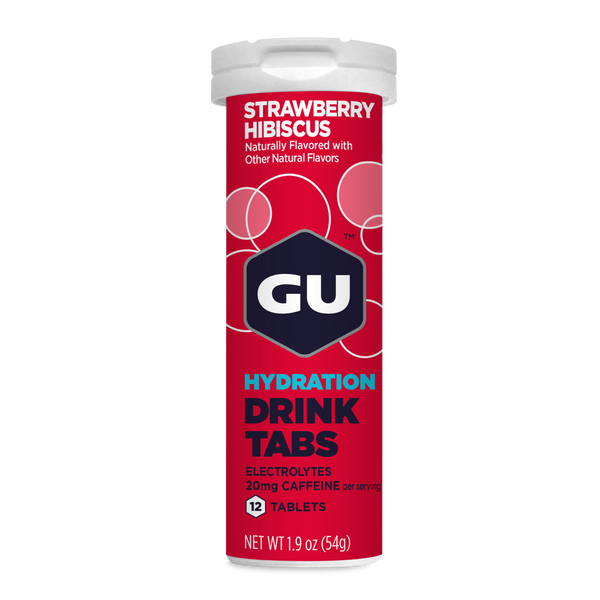
The fix: Hydration Tabs, at 320mg of sodium and 55mg of potassium per serving for only 10 calories, are an easy way to keep electrolyte intake on pace with fluid intake, particularly on hot, exposed sections of trail where sweat losses can outpace what the climb alone would suggest.
Frequently Asked Questions
Q: What should I eat while hiking?
A: A mix of steady, real food fuel like trail mix or an Energy Waffle, with Energy Chews or a gel in reserve for the sections that demand more, a hard climb, a long exposed stretch, or a bonking moment late in the day.
Q: What are the best snacks for long hikes?
A: Trail mix and an Energy Waffle for the steady miles, Energy Chews for portioned fuel through the middle hours, and an Energy Gel in reserve for the climbs and bonking moments that call for something faster.
Q: Are energy gels good for hiking?
A: Yes, particularly for the specific moments that call for a fast, concentrated dose, steep climbs, bonking stretches, and the final push to a summit. Gels are not meant to replace steady fueling across an entire hike.
Q: How often should I eat while hiking?
A: Roughly every one to two hours on a multi-hour hike is a reasonable baseline, adjusted upward in heat, at altitude, or on steep terrain where energy demand rises faster than a flat trail would suggest.
References
- Baker, L.B., De Chavez, P.J.D., Nuccio, R.P., Brown, S.D., King, M.A., Sopeña, B.C., and Barnes, K.A. Explaining variation in sweat sodium concentration: effect of individual characteristics and exercise, environmental, and dietary factors. Journal of Applied Physiology, 2022. https://doi.org/10.1152/japplphysiol.00391.2022
- Bondi, D., Aloisi, A.M., Pietrangelo, T., Piccinelli, R., Le Donne, C., Jandova, T., Pieretti, S., Taraborrelli, M., Santangelo, C., Lattanzi, B., and Verratti, V. Feeding Your Himalayan Expedition: Nutritional Signatures and Body Composition Adaptations of Trekkers and Porters. Nutrients, 2021. 13(2): p. 460. https://doi.org/10.3390/nu13020460
- Eisenberger, L., Mayr, B., Beck, M., Venek, V., Kranzinger, C., Menzl, A., Jahn, I., Sareban, M., Oberhoffer-Fritz, R., Niebauer, J., and Böhm, B. Assessment of Exercise Intensity for Uphill Walking in Healthy Adults Performed Indoors and Outdoors. International Journal of Environmental Research and Public Health, 2022. 19(24): p. 16662. https://doi.org/10.3390/ijerph192416662
- Gaskell, S.K., Burgell, R., Wiklendt, L., Dinning, P.G., and Costa, R.J.S. Impact of exercise duration on gastrointestinal function and symptoms. Journal of Applied Physiology, 2023. 134(1): p. 160-171. https://doi.org/10.1152/japplphysiol.00393.2022
- Ramadoss, R., Stanzione, J.R., and Volpe, S.L. A Comparison of Substrate Utilization Profiles During Maximal and Submaximal Exercise Tests in Athletes. Frontiers in Psychology, 2022. https://pubmed.ncbi.nlm.nih.gov/35465548/
- Ryan, T., Daly, E., and Ryan, L. Exploring the Nutrition Strategies Employed by Ultra-Endurance Athletes to Alleviate Exercise-Induced Gastrointestinal Symptoms: A Systematic Review. Nutrients, 2023. 15(20): p. 4330. https://pubmed.ncbi.nlm.nih.gov/37892406/
- Saenz, C., Jordan, A., Loriz, L., Schill, K., Colletto, M., and Rodriguez, J. Low Energy Intake Leads to Body Composition and Performance Decrements in a Highly-Trained, Female Athlete: The WANDER (Woman's Activity and Nutrition during an Extensive Hiking Route) Case Study. Journal of the American Nutrition Association, 2024. 43(3): p. 296-303. https://doi.org/10.1080/27697061.2023.2282614
- Sumi, D., Nagatsuka, H., Matsuo, K., Okazaki, K., and Goto, K. The Impact of Heat Acclimation on Gastrointestinal Function following Endurance Exercise in a Hot Environment. Nutrients, 2023. 15(1): p. 216. https://doi.org/10.3390/nu15010216